“If you are thinking about having a baby, I encourage you to wait. Maybe in your own country have one, but not if you are staying in Uganda, not after what I have seen today.”
~ Hadija (25 years old) Pregnant mother referencing her experience at Mulago Hospital
Last night I spent nearly 12 hours in the Labour Ward at Mulago Hospital in Kampala, Uganda. As the largest referral hospital in the country, the health care facility in Kampala, Uganda is intended to offer the best government-funded health care in the country. The reality is quite different. Mulago is plagued by systemic issues. It is over-crowded and under-resourced.
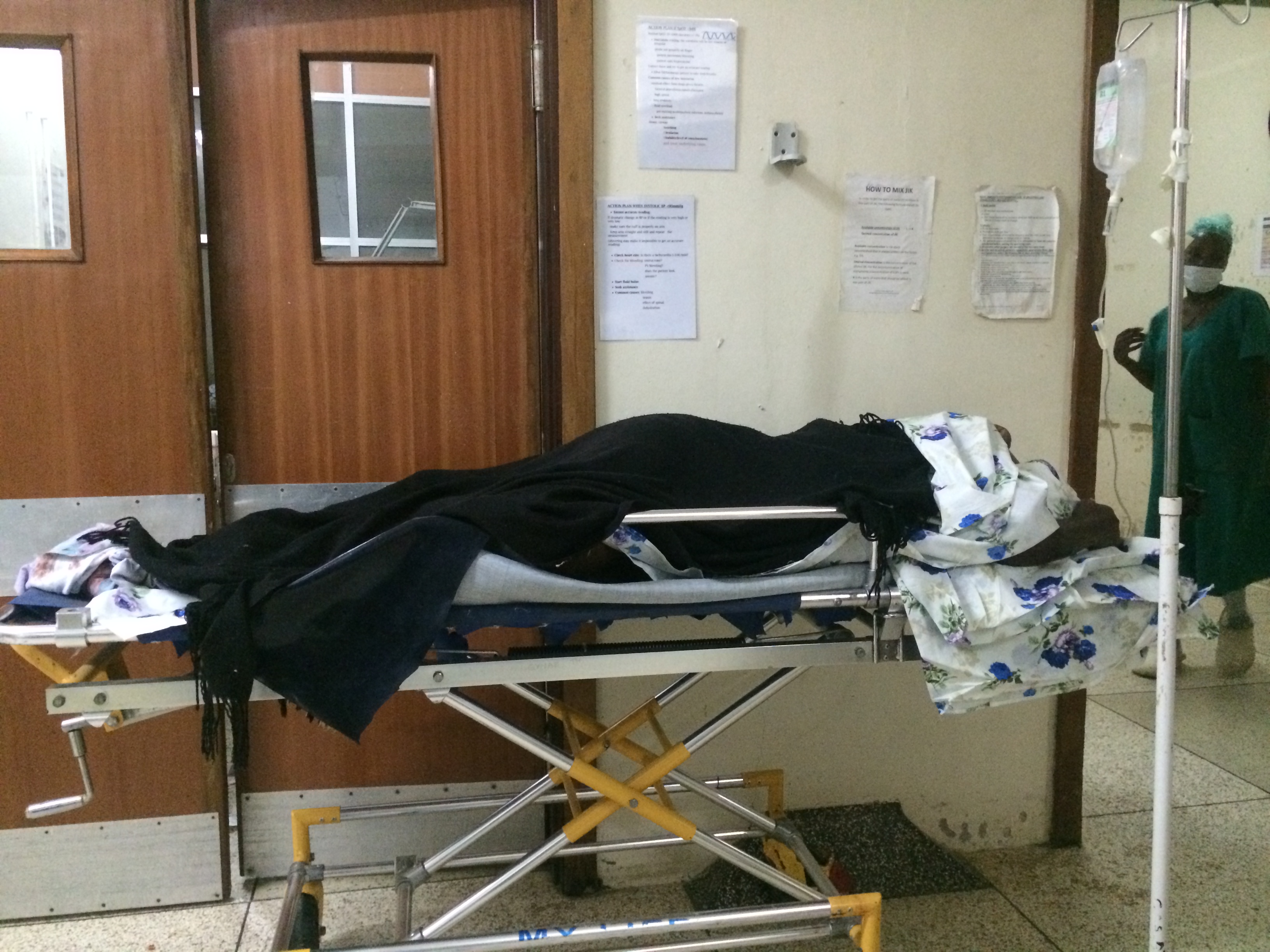
A mother waiting outside the operating room at Mulago Hospital
As I walked in to the Labor Suite, all 15 beds in the room were full of expectant mothers waiting to give birth. An additional 8 women were lying on the floor. Countless other mothers were queued outside waiting to be admitted. It was overwhelming. Many had been referred from other hospitals with life-threatening pregnancy complications. The time it took to travel to Mulago already meant a delay in care. These mothers desperately needed the operating theatre to be prepared so they could deliver via caesarean section. But there was a problem.
The operating room had no sterile gauze, instruments or surgical gowns. An autoclave is a pressure chamber used to sterilize medical equipment and supplies. It is a machine of critical importance to any operation. Last night, the largest hospital in Uganda, which sometimes hosts up to 3,000 patients, was left with only one functioning machine. For many of the women on the waiting list for surgery, every moment of delay increases the chances she or her baby will die.
Last night I witnessed a stillbirth. The baby had died in utero two days earlier. For a mother, labor is made bearable with the knowledge that on the other side of an agonizing mountain of pain, new life is waiting. Now imagine a mother faced with torturous labor but all that awaits her at the end is the lifeless body of her child. It was one of the most traumatic births I have witnessed, especially for the mother. Other mothers who were left waiting for a c-section may also lose their baby.
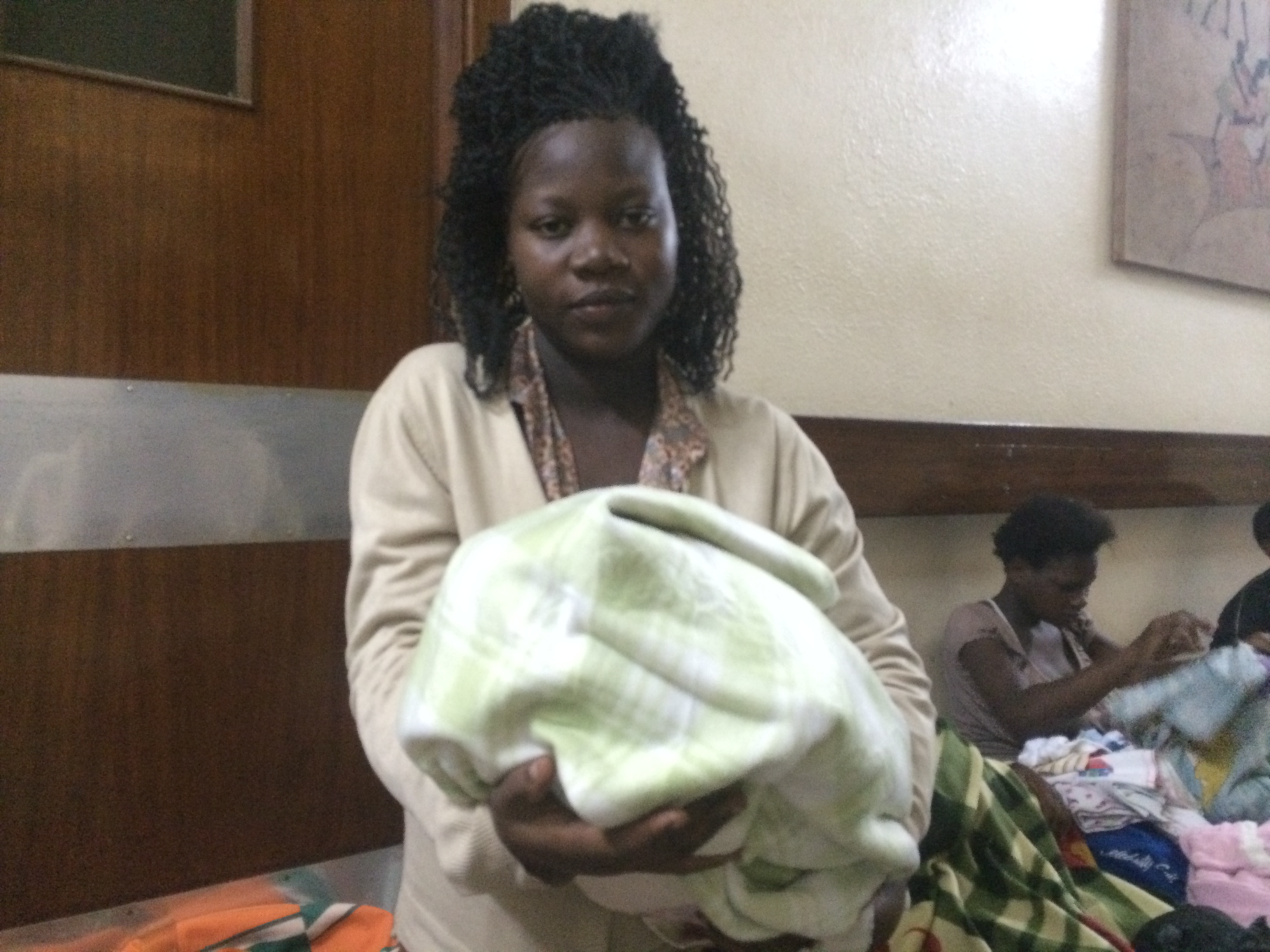
Violet holding Baby David
Although there was death, there is also life. Violet was just 19 years old and having her first child. She was so scared. I was able to speak with her and encourage her through the birth. Violet gave birth to a healthy little boy. I was more than a little stunned when she asked me to name her child. It is an honour and a huge responsibility to give a child the name he will bear for the rest of his life. I thought of King David, a man after God’s own heart (1 Samuel 13:14). That would be my prayer for Violet’s newborn.
In just one night at Mulago hospital I witnessed the joys of childbirth and the tragedy of lives lost. It gave me a greater appreciation for the work of Save the Mothers. I am a part of an organization that is helping save lives. The Mother-Baby Friendly Hospital Initiative developed by Save the Mothers is working with hospital administrators and staff to make changes in health care facilities across East Africa. They are improving maternal and newborn services so that no infant will die because the mother was delayed having a caesarean section. The challenges are many, but progress is being made. I am so grateful to be working with Save the Mothers, an organization that is truly bringing hope to moms and their babies.
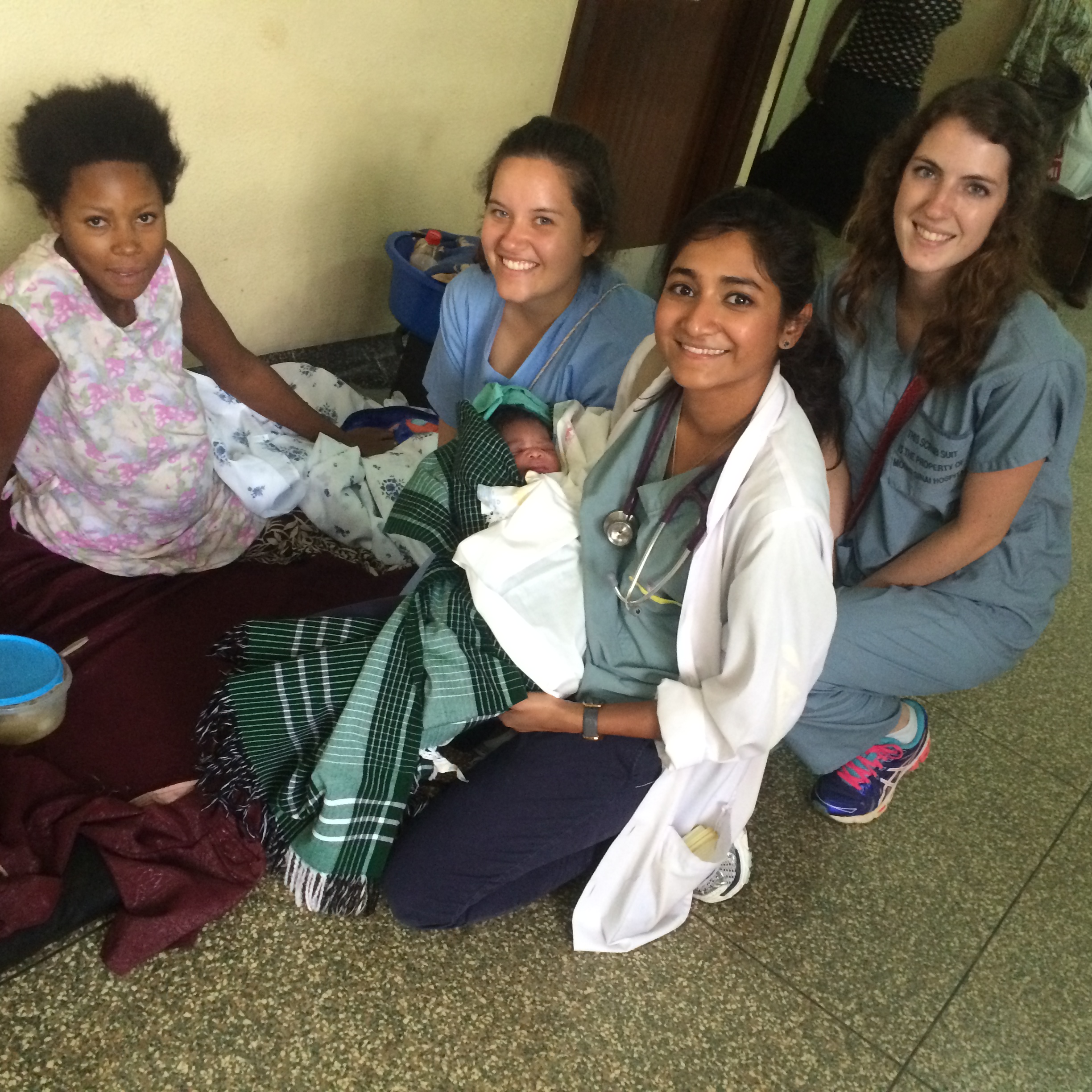
Me, Canadian Medical Student Bhairavi Balram and Save the Mothers Intern Victoria Shaw with a mother and her baby at Mulago Hospital. This was the first baby we helped deliver.
 Katherine's in Uganda!